
IRS Notices Explained
Decoding the Most Common IRS Notices: What to Do Next
It’s a feeling almost every taxpayer knows. You’re sorting through the mail, and there it is. A plain white envelope with the return address “Internal Revenue Service.” Your heart does a little jump, and your mind immediately races. What did I do wrong? How much do I owe?
First, take a breath. The IRS sends out millions of automated letters and notices each year, and most of them aren’t as intimidating as they appear. They are often filled with codes, jargon, and legal phrases that can be confusing, but the most important thing is to understand what the letter is and what it requires you to do.
And that brings us to the golden rule of IRS correspondence: Never, ever ignore an IRS notice. Sticking it in a drawer or hoping it will go away is the one action that guarantees a small problem will become a much bigger one.
This guide is designed to alleviate the stress and anxiety associated with the process. We’ll decode the “big players” (the most common and critical notices you might receive) and give you a clear action plan for what to do next.
Understanding the IRS Notice System: A Quick Overview
Before we get into specific notice codes, it is helpful to understand the basics of how and why the IRS communicates through the mail.
You have a balance due.
They haven’t received a tax return from you.
They have a question about something on your tax return.
They need to verify your identity.
They have made a change to your account or your return.
How to Read Any IRS Notice
- The Notice Number: Look in the top right-hand corner. You’ll see a code, often starting with “CP” or “L” (e.g., CP504 or Letter 1058). This number is the key to identifying the letter’s purpose.
- The Notice Date: This is also in the top right corner. It’s critical because many IRS deadlines are calculated from this date.
- Contact Information & Response Deadline: The notice will provide you with the contact information for the relevant IRS department and, most importantly, the date by which you must respond.
(click green circles for additional info on letter)
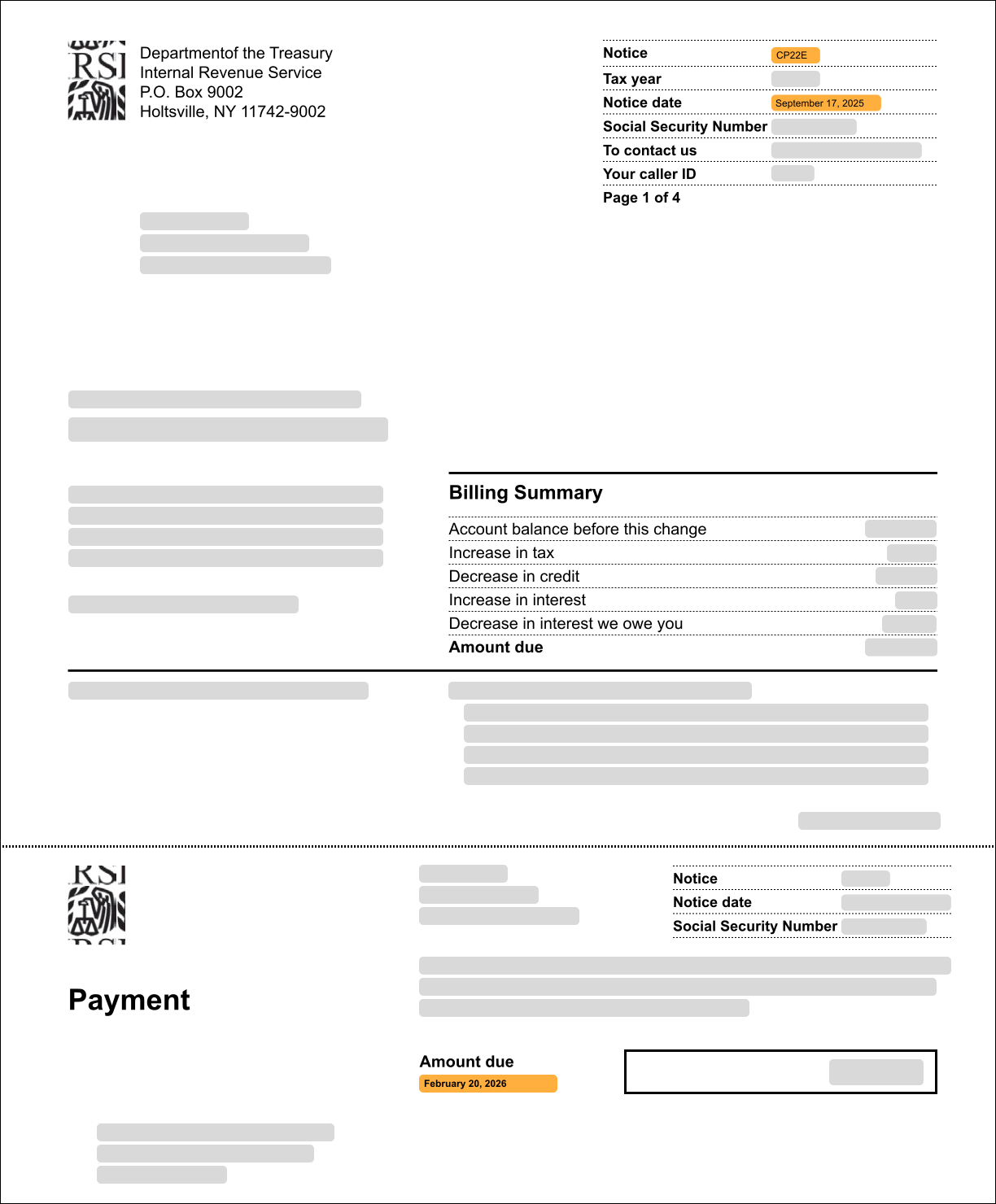
- The Notice Number: Look in the top right-hand corner. You’ll see a code, often starting with “CP” or “L” (e.g., CP504 or Letter 1058). This number is the key to identifying the letter’s purpose.
- The Notice Date: This is also in the top right corner. It’s critical because many IRS deadlines are calculated from this date.
Summary of the charges and due date
Information on how to make payment
Information on your next steps
The reason for your letter
The Collection Notices: From Reminder to Final Warning
For taxpayers with an unpaid bill, the IRS follows a predictable, escalating series of notices. Understanding where you are in this sequence is key to resolving the issue.
The First Bill: CP14 - Balance Due
This is the first and most common notice you’ll receive if you owe taxes. It’s the initial bill, clearly stating what you owe and why. It’s an alert, not yet a threat. Review the notice carefully to make sure you agree with the amount. If you do and can pay, send the payment. If you can’t pay in full, this is your first and best opportunity to contact the IRS to explore a payment plan.
The Reminders: CP501 and CP503
If the balance from the CP14 remains unpaid, the IRS will send these follow-up reminders. The tone gets a little more serious, and the penalties and interest continue to grow. The urgency has increased. Don't wait for the next letter. You should contact the IRS or a tax professional immediately to resolve the issue before it escalates further.
The Serious Warning: CP504 - Notice of Intent to Levy
The language on this notice is much stronger. It is a formal warning that the IRS has the right to seize (or "levy") your assets. It specifically mentions that the IRS can take your state and/or federal tax refund. This is not a suggestion; it’s a warning of impending action.
This is a critical moment. You must act now. This is your final opportunity to settle the bill or enter into a formal payment agreement before the IRS initiates legal collection actions.
The Final Notice Before Seizure: LT11 / Letter 1058
This is the big one. It's the official, legal Final Notice of Intent to Levy and Notice of Your Right to a Hearing. This letter starts a 30-day countdown. If you don’t act within those 30 days, the IRS has the legal authority to garnish your wages, seize money from your bank accounts, and take other assets.
You have a powerful legal right at this stage. You must immediately file Form 12153, Request for a Collection Due Process (CDP) Hearing. Filing this form within the 30-day deadline legally stops all IRS levy actions while you negotiate a solution through the appeals process.
Feeling overwhelmed by an IRS notice? You don't have to handle it alone. Contact TaxSolve today for a complimentary consultation to explore your options and halt the collection process.
Get Started for FreeA Final Notice of Intent to Levy is the last stop before enforced collection begins. If you've received an LT11 or Letter 1058, time is critical. Contact TaxSolve immediately to file a timely appeal and protect your assets.
Get Started for FreeOther Critical IRS Notices You Need to Know
Notice of Unfiled Return: CP59
This notice is sent when the IRS has a record that you were required to file a tax return for a specific year, but they have not received one from you.
Do not ignore this. If you've already filed, provide the IRS with a signed statement explaining when and where you filed, and include a copy of the return if possible. If you haven't filed, you need to prepare and file the missing return immediately to avoid further penalties and to prevent the IRS from potentially filing a less favorable return on your behalf.
Notice of Proposed Changes: CP2000 - Underreported Income
This notice is sent when the IRS has a record that you were required to file a tax return for a specific year, but they have not received one from you.
Do not ignore this. If you've already filed, provide the IRS with a signed statement explaining when and where you filed, and include a copy of the return if possible. If you haven't filed, you need to prepare and file the missing return immediately to avoid further penalties and to prevent the IRS from potentially filing a less favorable return on your behalf.
Notice of a Federal Tax Lien Filing: Letter 3172
This letter informs you that the IRS has filed a Notice of Federal Tax Lien in the public record. A lien is a legal claim against all your current and future property. While a tax lien no longer appears on your credit report and won't impact your credit score, it remains a public record and can make it more challenging to obtain a loan or other forms of credit.
The letter explains your right to appeal. You can (and often should) appeal the lien filing by requesting a Collection Due Process Hearing. The ultimate solution is to resolve the underlying tax debt, which will allow you to get the lien released.
The Power is in Your Response
An IRS notice is not a verdict; it’s a call to action. While each letter carries a different weight and meaning, the right course of action is always the same:
Even the most threatening letters, like a Final Notice of Intent to Levy, come with a built-in set of taxpayer rights and clear paths to resolution. The worst thing you can do is nothing. The best thing you can do is take the next step.